Electing the proper metallic pipe for project requirements is contingent on insight into its parameters and potential roles. Routine specs refer to metal grade, cross-section, span, and tolerance ranges. Considerations like maximum pressure, thermal endurance, and rust protection determine pipe suitability across industrial, commercial, and home settings. Steel tubing finds roles in construction, production, civil works, potable water lines, fuel distribution, sewer systems, structural reinforcement and specialized fields
- Understanding the project's exact requirements is vital to select the correct pipe
- Look up industry codes and standards to get detailed metal pipe specifications
- Determine material selection through pressure ratings, temperature tolerance and corrosion concerns
Steel Tubing: Power, Longevity, and Flexibility
Round and shaped tube steel deliver substantial strength and are frequently specified in industrial, structural and commercial applications. Their remarkable lifespan comes from specific construction and forming techniques. Made by shaping steel slabs or billets into tubular profiles with welding or seamless drawing, they show sustained resistance to rust and damage and long operational life even under harsh conditions. Flexible tube steel fabrication produces simple or complex shapes that accommodate individual design and engineering needs. Applied in multifaceted structural, mechanical and architectural contexts, tube steel's resilient strength, persistent durability and flexible form capabilities secure its essential place in modern building and manufacturingExpanded Metal Lattice for Heightened Security and Safety
Expanded metal mesh is a popular option where both sturdy security and enhanced safety are priorities. Because of its open weave it provides clear sight while serving as a physical deterrent to trespass and hazards. Expanded mesh options include varied aperture dimensions and metal gauges to match particular applications
- Sturdy expanded metal endures impacts, vandalism and challenging weather conditions
- Besides, simple mounting and limited maintenance requirements drive its adoption across industries
- For shielding essential facilities and personnel safety in manufacturing sites, expanded metal provides a complete protective approach
Commercial and Industrial Uses for Metal Mesh
Steel mesh is broadly utilized in manufacturing and industry for its toughness, durability and multipurpose nature. It yields a resilient meshwork for filtering, screening, reinforcing and defensive uses. Concrete structures often employ steel mesh reinforcement to bolster tensile strength and lessen cracking tendencies. In addition, it supports bridges, tunnels and other civil engineering projects by providing reinforcement and load capacity. In manufacturing, steel mesh becomes a key part of industrial screens and filters where its fine or dense weave separates materials of different sizes for sieving, sorting and purification. Applications in security and safety cover guardrails, fencing and enclosures that help avert unauthorized access and protect workers. Thanks to strong tensile properties it tolerates impact and force, making it appropriate for demanding protective duties
Piping in Structural Applications
Given their strong nature, metal pipes serve as essential components in various structural applications. Their configurability allows construction of rigid frameworks to support weight-bearing roles across sectors. From multi-storey constructions to bridge spans and underground conduits, metal pipes supply core support and resist demanding environmental conditions. Corrosion resistance combined with straightforward fabrication boosts their relevance in current building methods
Selecting the Appropriate Tube Steel for a Project
For any build or fabrication task, choosing appropriate tube steel is essential. Tube steel’s mix of robust strength, lasting durability and lower weight suits it to a wide range of uses. Nevertheless, many grades and detailed specifications can make choosing tube steel a tricky process
- To succeed, assess intended application, load requirements and environmental conditions
- Key factors including wall thickness, diameter and grade directly shape tube steel performance
Heavy structural work benefits from thick-walled, robust tube steel while lightweight products like frames suit thin-walled, lighter tubing
Seek guidance from professional engineers or reputable metal vendors to determine the best tube steel for your requirements
Benefits of Using Expanded Metal in Construction
Expanded metal presents an array of practical and constructive advantages for building projects. Being lightweight it simplifies handling and installation while cutting labor expenses. Additionally, the open design improves ventilation and drainage which mitigates moisture buildup. Sturdy build quality suits it for roles demanding strong resistance and enduranceMetal Pipe Connection Fundamentals
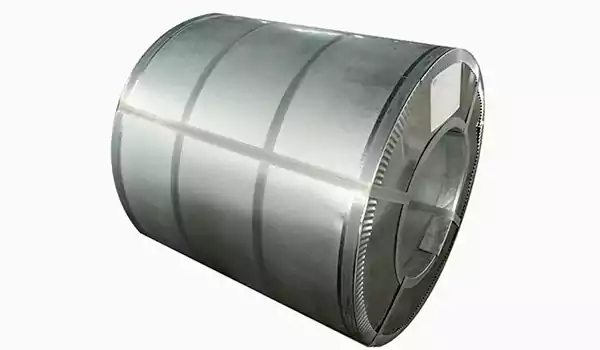
Metal pipe connections are basic components in plumbing and piping systems that join pipes to permit fluid or gas flow. The right connector is chosen based on tube diameter, material makeup, pressure limits and application context. Frequent connection types are threaded, flanged and welded joints, providing different levels of strength and sealing. Threaded joints join male and female threads by screwing them together, flanged joints use bolted mating surfaces, and cold-rolled coil welded joints fuse pipes permanently by heat and pressure. Familiarity with the properties of each connection helps ensure a functional, leak-resistant piping installationMake-and-Create Uses of Steel Mesh
Steel mesh offers strength, resilience and adaptability for broad DIY uses. Its networked open formation fits uses like fences, screens and decorative components. Also, its easy-to-handle, lightweight nature makes it popular with both beginner and skilled DIY enthusiasts
- Consider metal mesh as a material for your next hands-on project
Steel Pipes: From Plumbing to Architectural Reinforcement
Metallic pipes underpin modern construction and infrastructure with a balance of strength, durability and versatile use. Though first used for sanitation and water systems, metal pipes have advanced into structural duties and support roles. From building foundations to water and gas networks, metal pipes supply core functionality in everyday systems and modern infrastructure. Strength permits handling of high stresses and loads while corrosion tolerance contributes to lasting reliability. In addition, pipes’ malleability enables their formation into numerous configurations that address diverse needs
Design Potential and Function of Expanded Metal
Expanded metal supplies design versatility coupled with robust practical utility. Open construction suits both creative architectural treatments and functional industrial safety installations. Capacity to bear weight and maintain aesthetics increases expanded metal's appeal
- Besides, improved ventilation from the open pattern makes it apt for heat dissipation and thermal management
- Its implementation covers building, manufacturing, shipping, automotive and creative design uses